

Lived-in Luxury: Why the Future of Fashion Looks Collected, Not Perfect

Updated: Aug 6
For years, luxury has been translated through a visual language of restraint. Clean silhouettes, neutral palettes, polished surfaces and quiet, controlled styling have defined the idea of contemporary sophistication.
The success of quiet luxury made minimalism feel aspirational again, but also increasingly familiar. What once communicated refinement now risks becoming predictable.
A new shift is emerging across interiors, objects and fashion. The desire is moving away from sterile perfection and toward spaces and products that feel warmer, more personal and more emotionally specific. The next luxury codes are not necessarily louder, but they are richer. They carry texture, memory, patina and a sense of being collected over time.
At DB/FS Lab, we define this direction as Lived-in Luxury: a cultural and aesthetic movement that reframes luxury through material depth, imperfection and personal narrative.
This is not a return to maximalism for the sake of excess. It is a more sophisticated evolution: a move from “clean” to “collected”.
From quiet luxury to emotional materiality
The rise of quiet luxury answered a specific need: calm, control and timelessness in a visually overloaded world.
Its codes were easy to recognize: soft neutrals, precise silhouettes, minimal branding and elevated basics. But as these codes became increasingly widespread, their emotional charge started to weaken.
The new consumer desire is not simply for more decoration. It is for more presence.
In interiors, this is visible in the return of warm woods, vintage glass, patinated metals, expressive textiles, layered rooms and objects that appear inherited, restored or gathered over time. These spaces are not chaotic, but they are no longer anonymous.
They communicate identity through accumulation, material choices and personal references.
Fashion is beginning to absorb the same mood. The wardrobe is no longer imagined only as a perfectly edited system of essentials, but as a more layered environment: a place where tailoring, denim, leather, knitwear and accessories can coexist with traces of time, craft and individuality.
For brands, this signals an important opportunity. The next evolution of luxury may not be about removing detail, but about giving detail emotional value.
The cultural signal: people want spaces with memory
Interior trends often anticipate fashion shifts because both respond to the same deeper question: how do people want to live inside their identity?
The current movement toward more expressive homes suggests a broader rejection of showroom perfection.
Consumers are showing interest in spaces that feel lived-in, storied and personal.
Warm woods, restored lamps, vintage objects, silver accents, deep colours and tactile surfaces are becoming more desirable because they suggest continuity and character.
This does not mean consumers are abandoning refinement. Instead, refinement is being redefined.
The most relevant signal is not “colour is back” or “vintage is trending”. The stronger insight is that people are seeking environments that feel less performative and more human. They want objects and atmospheres that appear to have a life before the moment of purchase.
Translated into fashion, this becomes a new kind of premium language: garments that feel considered, textured and personal rather than untouched, flat or overly pristine.
KEY INSIGHT
Consumers are moving from sterile perfection to emotional materiality. The next luxury product will not only look refined; it will feel collected, tactile and personal.
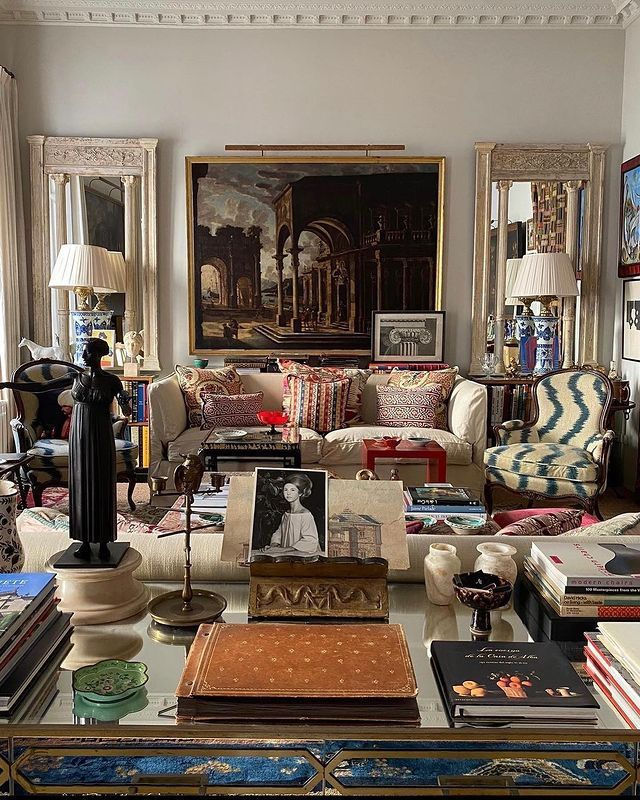
The DB/FS Lab reading: luxury becomes collected
For DB/FS Lab, Lived-in Luxury is the point where interior atmosphere, archive references and fashion product direction converge.
The aesthetic is built around contrast. It combines the polish of luxury with the warmth of use. It allows a blazer to remain refined while looking more tactile. It allows denim to enter a more elevated wardrobe when treated through wash, proportion and styling. It allows leather to feel less glossy and more intimate. It allows accessories to carry the feeling of an archive object rather than a seasonal add-on.
The key shift is psychological as much as visual. A perfectly clean product can feel expensive, but a product with controlled imperfection can feel meaningful.
This is where patina becomes status. Not because the product looks old, but because it suggests depth. It implies time, selection, care and individuality.
The new luxury message becomes less about owning something flawless and more about owning something with character.
How Lived-in Luxury translates into fashion
In product terms, Lived-in Luxury opens a rich territory for material and silhouette development.
It favours fabrics and surfaces that hold visual depth: washed leather, brushed wool, treated denim, suede, compact knitwear, bouclé, velvet, crinkled finishes and aged hardware.
Tailoring is one of the most relevant categories for this shift. After seasons of clean blazers and minimalist uniforms, the next version of tailoring can become softer, warmer and more textural. Think oversized blazers in tactile wool, tobacco-toned suiting, soft-structured coats, layered shirts and knitwear that adds sculptural weight without losing sophistication.
Denim also becomes strategically important. Within this trend, denim is not positioned as casualwear, but as a surface with memory. Deep indigo, vintage washes, coated finishes and relaxed silhouettes can help denim move into a more premium, styled and emotionally resonant space.
Leather follows the same logic. Rather than high-gloss perfection, the direction moves toward washed, softened and slightly irregular surfaces. The appeal lies in touch, creasing and the sense that the material has already entered the wearer’s life.
Accessories become another key layer. Buttons, belts, buckles, brooch-like closures and jewellery-inspired details can bring the feeling of an archive into otherwise contemporary products. These are small elements, but they can transform the perception of a garment, making it feel less generic and more specific.
For brands, the opportunity is not to reproduce vintage literally. The strongest approach is to use memory as a design tool: to create new products that feel as if they could have been collected, restored or rediscovered.
Why this matters for fashion brands
Lived-in Luxury offers brands a way to move beyond the saturation of quiet luxury without losing refinement.
This is particularly relevant for contemporary luxury, premium womenswear, denim, leather goods, knitwear and accessory brands that need to refresh their visual language while staying commercially wearable.
The trend sits in a strategic middle space. It is more expressive than minimalism, but more controlled than maximalism. It allows brands to introduce warmth, texture and narrative without alienating consumers who still value elegance and versatility.
From a product perspective, this can influence seasonal capsules, material boards, trim research and hero pieces. A brand might explore a textured blazer as a key item, develop a washed leather piece, elevate denim through refined treatments, or use archive-inspired buttons and aged hardware to update existing best sellers.
FIS FORMULA
Lived-in Luxury = patina + texture + memory + craft + layering
From a communication perspective, the shift is equally relevant. Lived-in Luxury gives brands a richer storytelling frame than “timeless essentials” or “new collection”. It allows campaigns to speak about character, material memory, collected wardrobes and emotional connection. It also opens visual merchandising opportunities through atelier-like interiors, warm wood, vintage mirrors, silver objects, textured walls and domestic spaces that feel curated but not artificial.
The commercial strength of the trend lies in its flexibility. It can be translated subtly for conservative premium brands or pushed further for more experimental labels. Its codes can appear in one hero product, a full capsule, an editorial story or a retail environment.
Strategic applications for product and storytelling
For a fashion brand, the value of Lived-in Luxury is its ability to connect product, mood and narrative.
A womenswear label could translate the trend through a compact capsule built around a textured oversized blazer, a washed leather skirt, a treated denim trouser, a sculptural knit and an archive-button shirt. The story would not be about nostalgia, but about a wardrobe that feels assembled over time.
A denim brand could use the trend to reposition denim as a luxury surface, focusing on deeper washes, softer treatments, premium hardware and styling that moves denim away from everyday casualness into a more refined visual world.
An accessory brand could explore aged metals, jewellery-like closures, vintage-inspired buckles and bags that feel like found objects rather than trend pieces.
For content and campaign direction, the same concept can become a visual world: a studio-apartment atmosphere, warm wood surfaces, layered textiles, imperfect walls, vintage lighting, books, mirrors and objects that suggest creative life rather than showroom perfection.
This is where the trend becomes commercially useful. It does not remain an abstract mood; it becomes a framework for product development, styling, content, visual merchandising and brand positioning.

BRAND OPPORTUNITY
Use Lived-in Luxury to refresh quiet luxury codes through material depth, archive-inspired details, tactile styling and storytelling built around character rather than perfection.
Our perspective
At DB/FS lab, we read Lived-in Luxury as part of a broader shift from aesthetic perfection to emotional specificity.
The future of luxury will not only be shaped by what looks expensive, but by what feels meaningful. Patina, texture, craft and memory are becoming tools for differentiation because they help brands create products with more depth and stronger storytelling potential.
For fashion brands, the opportunity is clear: move beyond generic minimalism and build a visual language that feels refined, tactile and human.
Lived-in Luxury is not the opposite of quiet luxury. It is its next emotional evolution.
Turn cultural signals into fashion concepts.
DB/FS Lab helps fashion brands translate emerging cultural and aesthetic signals into creative directions, material boards, capsule concepts and product storytelling.
From trend research to concept development, FIS transforms signals into actionable fashion ideas for brands, collections and visual storytelling.


Comments